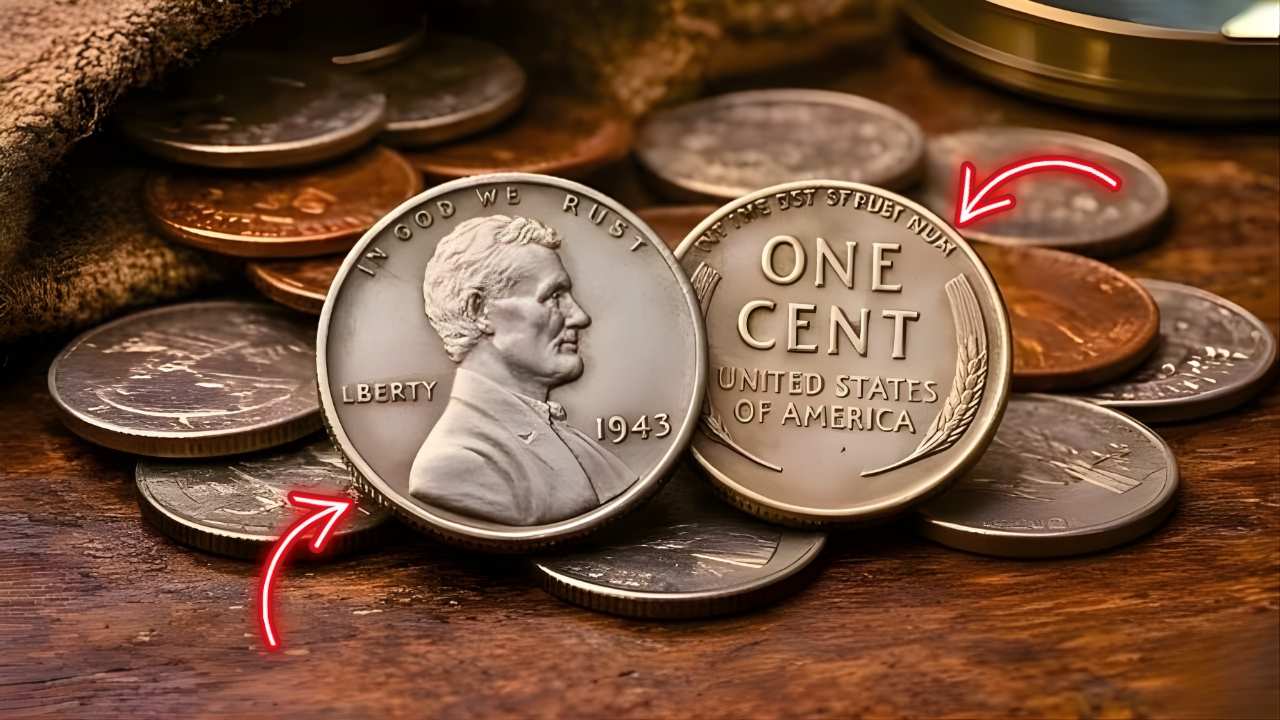
The Lincoln Wheat Penny has been a staple in American coin collecting for decades. First issued in 1909 to commemorate Abraham Lincoln’s 100th birthday, it was the first US coin to feature a real person on the obverse. While most Lincoln Wheat Pennies are common and modestly valued, certain rare varieties have skyrocketed in price, with some reaching extraordinary figures at auctions. One such coin recently grabbed attention when it was valued at an astonishing $160,000.
This has raised questions among collectors and casual coin enthusiasts alike: could you have one hiding in your collection? Understanding what makes these pennies so rare and valuable requires a closer look at their history, minting errors, and condition.
History of the Lincoln Wheat Penny
The Lincoln Wheat Penny was minted from 1909 to 1958, with the reverse featuring two stalks of wheat, giving the coin its popular name. The obverse has consistently displayed the profile of Abraham Lincoln. Over the decades, billions of these pennies were produced, making many of them readily available today.
Despite their abundance, certain years and mint marks are incredibly scarce due to low production or specific minting errors. These rare pennies are the ones that can fetch extraordinary sums at auctions. Collectors and investors alike seek out these coins because they represent a combination of historical significance and investment potential.
What Makes a Lincoln Wheat Penny Valuable?
Several factors influence the value of a Lincoln Wheat Penny. Condition, rarity, and minting errors play the most critical roles. Coins in pristine condition, with minimal wear, are far more valuable than those that have circulated heavily.
Rarity is another major factor. Certain years, such as the 1909-S VDB, the 1914-D, and the 1922 no D, were produced in limited quantities or have specific features that make them hard to find. Coins with these characteristics are highly sought after by collectors.
Minting errors can also dramatically increase a coin’s value. Errors such as double dies, off-center strikes, and repunched mint marks create unique varieties that are highly collectible. These mistakes are often accidental, making each error coin effectively one of a kind.
Notable Lincoln Wheat Pennies Valued at High Prices
Among Lincoln Wheat Pennies, a few examples stand out for their extraordinary auction prices. The 1909-S VDB penny, featuring the initials of designer Victor David Brenner, is one of the most famous and valuable coins in the series. Depending on condition, this coin can fetch tens of thousands of dollars.
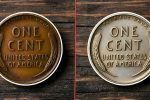
The 1914-D Lincoln Wheat Penny is another high-value coin. Its rarity comes from limited production at the Denver Mint, and high-grade examples can command prices exceeding $100,000. Similarly, the 1922 no D penny, where the Denver mint mark is missing due to a weak strike, is highly prized by collectors and has sold for six-figure sums.
Recently, a particularly rare Lincoln Wheat Penny was valued at $160,000. While these extraordinary values are unusual, they illustrate the potential for significant returns for those lucky enough to own such coins.
How to Identify a Valuable Lincoln Wheat Penny
If you are curious whether you might own a valuable Lincoln Wheat Penny, there are several steps you can take. First, examine the date and mint mark. Rare years and mint marks are often the key to high-value coins.
Second, inspect the condition carefully. Coins with minimal wear, sharp details, and a clean surface are generally more valuable. Third, look for unusual features or minting errors. These include double dies, repunched mint marks, and off-center strikes. Even subtle variations can dramatically increase a coin’s value.
Professional grading can also help. Coin grading services assess a coin’s condition and authenticity, giving potential buyers confidence in its value. If you believe you have a rare or high-value Lincoln Wheat Penny, having it graded is often a worthwhile step before selling or insuring it.
Tips for Collectors and Investors
Collecting Lincoln Wheat Pennies can be both a rewarding hobby and a potential investment. To build a valuable collection, start by learning about the most sought-after years and varieties. Reference guides, online databases, and coin collector clubs can provide useful information.
Patience is crucial. Rare coins are not always easy to find, and prices can fluctuate depending on market demand and the coin’s condition. Networking with other collectors and attending coin shows or auctions can increase your chances of discovering rare finds.
Finally, take care of your coins. Proper storage in protective holders and avoiding excessive handling can help maintain their condition and preserve value over time.
Key Highlights
- Lincoln Wheat Pennies were minted from 1909 to 1958 and feature Abraham Lincoln on the obverse.
- Rare varieties, such as the 1909-S VDB, 1914-D, and 1922 no D, can fetch extremely high prices.
- Minting errors like double dies and off-center strikes can dramatically increase a coin’s value.
- A recent Lincoln Wheat Penny was valued at $160,000, demonstrating the potential for rare coins to be highly lucrative.
- Identifying valuable pennies requires examining the date, mint mark, condition, and any unusual features.
- Professional grading and proper storage are essential for maintaining a coin’s value.
Our Final Words
The Lincoln Wheat Penny is more than just a small piece of copper; it is a piece of American history. While most pennies are modest in value, rare varieties and minting errors can command extraordinary prices, as evidenced by coins valued at $160,000. Collecting these coins requires knowledge, patience, and careful attention to detail, but the rewards can be significant both financially and as a fulfilling hobby.
Even if you are a casual collector, examining your old Lincoln Wheat Pennies could reveal hidden treasures. Every coin has a story to tell, and some may be worth far more than their face value. The next time you come across a Lincoln Wheat Penny, take a closer look—you might just be holding a fortune in your hand.