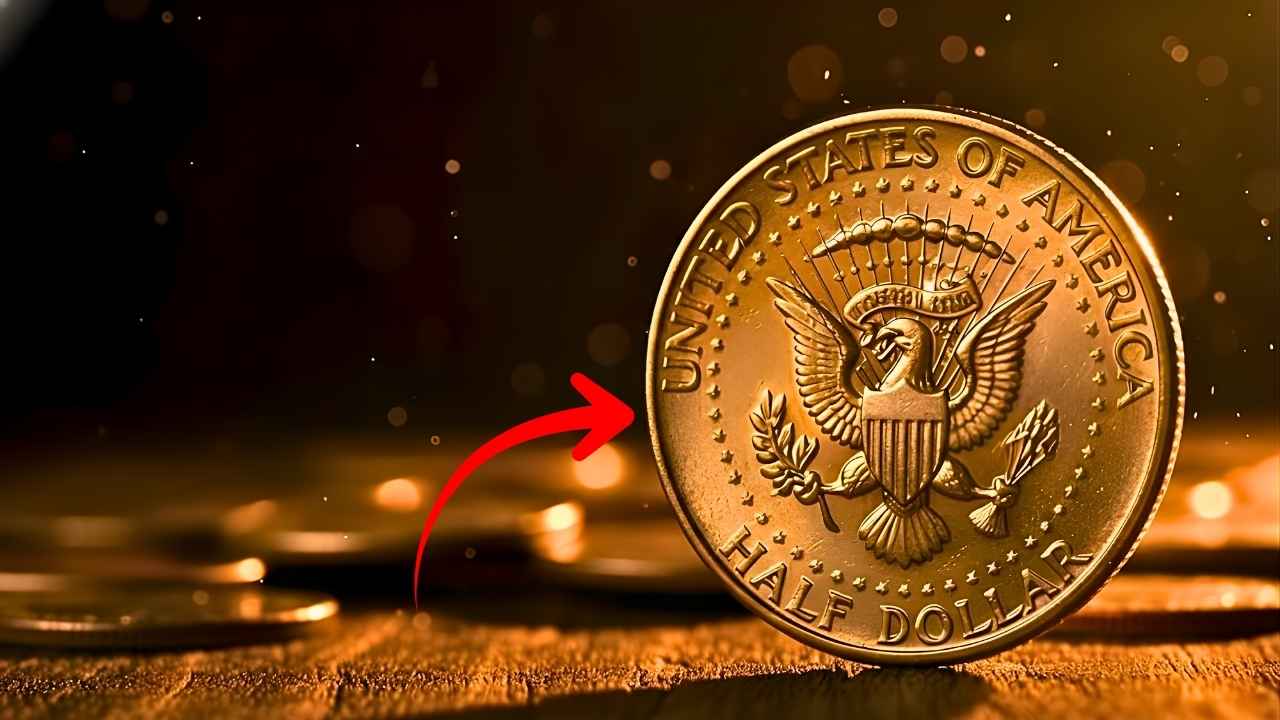
The Kennedy Half Dollar has been a staple of American coin collecting since it was first introduced in 1964. Designed to honor President John F. Kennedy after his assassination, this coin quickly became popular not only for its historical significance but also for its attractive design. Over the years, certain Kennedy Half Dollar varieties and error coins have become highly valuable, with some fetching thousands of dollars in auctions. Understanding the value of these coins, their rare varieties, and current market trends is essential for both collectors and investors.
This article provides a comprehensive overview of Kennedy Half Dollar values, identifies rare varieties, and explains the market trends shaping their prices.
History of the Kennedy Half Dollar
The Kennedy Half Dollar was first issued in 1964, immediately following President Kennedy’s assassination. The coin features a profile of Kennedy on the obverse and the Presidential Seal on the reverse. Initially composed of 90% silver, the coin’s composition changed over time, moving to 40% silver from 1965 to 1970 and finally to a copper-nickel clad after 1970.
The coin’s history and changing composition play a major role in its collectible value. Silver coins, particularly from 1964, are highly sought after because of their intrinsic metal value in addition to their numismatic appeal. Over the decades, certain mint marks, years, and error coins have become particularly valuable.
Factors Affecting Kennedy Half Dollar Values
Several factors determine the value of a Kennedy Half Dollar. Understanding these can help collectors make informed decisions.
Condition is the most important factor. Coins in uncirculated or mint condition are significantly more valuable than those that show signs of wear. Grading services such as PCGS and NGC provide professional assessments of a coin’s condition, helping to establish its market value.
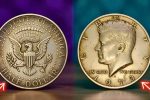
Rarity is another key factor. Some coins, due to low mintages, errors, or special editions, are much rarer than others. Coins minted at less common locations, such as the San Francisco or Denver mints during certain years, often command higher prices.
Demand also plays a role. Kennedy Half Dollars are highly collectible, and market demand can fluctuate based on collector interest, silver prices, and historical significance. Coins with unique features, such as errors or proof finishes, tend to attract strong interest and higher values.
Rare Varieties of Kennedy Half Dollars
Certain Kennedy Half Dollar coins are particularly valuable due to their rarity and unique features.
Double die errors are among the most sought-after. These occur when a coin is struck twice with misaligned dies, creating a duplicated image or shadow effect. Double die varieties of the 1964 and 1970 coins are especially prized by collectors.
Off-center strikes are another type of rare variety. These occur when the coin is not properly aligned during minting, resulting in a partially blank or misaligned design. Significant off-center Kennedy Half Dollars can fetch hundreds or even thousands of dollars at auction.
Clipped planchets and missing design elements are additional errors that increase value. Coins with unusual shapes, missing sections, or weak strikes are particularly rare and highly collectible.
Certain proof coins and low-mintage issues, such as special commemorative releases or coins from limited-production years, also hold exceptional value. Collectors often pay premiums for these examples, especially in perfect condition.
Kennedy Half Dollar Value Chart Overview
A value chart for Kennedy Half Dollars can help collectors quickly assess potential worth. While exact values fluctuate based on condition and market trends, general guidelines are as follows:
- 1964 Kennedy Half Dollar (90% silver): Circulated $10–$15, Uncirculated $20–$100+
- 1965–1970 Kennedy Half Dollar (40% silver): Circulated $5–$8, Uncirculated $10–$50+
- 1971–present (copper-nickel clad): Circulated $0.50–$1, Uncirculated $1–$10
- Rare error coins (double die, off-center, clipped planchet): $100–$5,000+ depending on condition and rarity
- Proof coins and special mint sets: $5–$200+ depending on year and mintage
These figures provide a general overview, but professional grading and market conditions can significantly affect values. Auction results and collector interest are often the best indicators of current market prices.
Market Trends for Kennedy Half Dollars
The market for Kennedy Half Dollars has been influenced by several factors in recent years. Silver prices directly affect the value of coins minted in 1964 and from 1965 to 1970, as these coins contain significant silver content. As silver prices rise, so too does the value of these older coins.
Collector interest in error coins has also increased, driving up prices for rare varieties. Coins with significant visual appeal, unique errors, or historical significance tend to sell for premium prices at auctions.
Modern Kennedy Half Dollars in circulated condition remain widely available, and their value is generally modest. However, the limited production of special proof sets and silver collector editions has maintained strong market interest and stable prices for high-quality examples.
Tips for Collectors
If you are interested in collecting Kennedy Half Dollars, several strategies can help you build a valuable collection:
- Study rarity and mint marks to identify high-value coins.
- Focus on condition, aiming to acquire uncirculated or high-grade coins.
- Research known error varieties to spot unique coins.
- Consider professional grading to verify condition and authenticity.
- Track market trends and auction results to understand current values.
With careful research and attention to detail, collectors can build a collection that is both historically meaningful and potentially valuable.
Key Highlights
- Kennedy Half Dollars were first minted in 1964 and remain popular with collectors.
- Value depends on condition, rarity, mint mark, and error types.
- Rare varieties include double dies, off-center strikes, clipped planchets, and special proof coins.
- Silver coins from 1964–1970 are particularly valuable due to their metal content.
- Market trends are influenced by silver prices, collector demand, and auction results.
- Using a value chart and professional grading can help collectors assess potential worth.
Our Final Words
Kennedy Half Dollars offer a unique combination of historical significance, aesthetic appeal, and collectible value. While most coins are modest in price, rare varieties and error coins can reach extraordinary values at auctions. Understanding rarity, condition, and current market trends is essential for both new and experienced collectors. By using a value chart, staying informed about market trends, and focusing on quality and unique varieties, collectors can build a collection that is both enjoyable and potentially lucrative. The Kennedy Half Dollar remains one of the most fascinating and rewarding coins in American numismatics.